



Join The Forum To Get inspired Ideas


Brown vs Brunette: The Real Difference Between These Shades
When choosing a new hair color, many people ask, "What's the difference between brown hair and bruette hair? Aren't they the same shade of brown?" This confusion is actually quite understandable, as both brown and bruette belong to the brown hair family. In everyday conversation, many people use these two terms interchangeably.
1.What is Brown Hair? Definition, Color Range, and Visual Characteristics
Brown hair is one of the most common natural hair colors in the world. It is primarily formed by a high concentration of eumelanin, making it darker than blonde hair but lighter than black hair.

Brown hair encompasses a very wide range of colors, including: Light Brown, Medium Brown, Chocolate Brown, Golden Brown, Caramel Brown, Chestnut Brown, and Ash Brown. Because of this broad range, different browns will appear completely different under different lighting, skin tones, and hair textures.
2.What is Brunette Hair? Definition, Professional Classification, and Key Characteristics
Brunette is not a synonym for Brown. The word comes from the French word "brun," meaning dark brown, specifically referring to the darker end of the brown spectrum. In the professional hair coloring industry, Brunette usually refers to a deeper color, closer to the dark brown region.

Common bruette hair colors include: Dark Chocolate Brown. Espresso Brown. Mocha Brown. Cool Dark Brown. Brown Black. While bruette isn't entirely separate from brown, it creates a deeper visual effect.
3.The Core Differences Between Brown And Bruette Color
These can be understood in four main ways:
1. Color Depth
This is the most obvious difference. Brown characteristics: ranges from light to medium brown; brighter; softer visually. Brown characteristics: typically medium to dark brown; more intense color; more visually striking. For example: Caramel Brown → Brown range Dark Chocolate Brown → Brunette range.
2. Color Saturation
Saturation refers to the intensity and richness of color. Brown hair typically: has more defined layers; varies more under different lighting; appears lighter. Brunette hair typically features: more concentrated pigment; deeper color; stronger contrast.

3. Color Family Position
Brown is a broader color category. It includes: light brown; medium brown; dark brown; cool brown; warm brown. Brunette leans more towards the darker area of the Brown family. You can think of it as: Brown is the entire brown family, while Brunette is a darker, more intense part of it.
4. Visual Contrast
Brown typically creates: smooth transitions; natural blending; a gentle effect. Brunette typically creates: more defined contours; a stronger visual presence; a more mature look.
4.Advantages, Disadvantages, and Suitable Skin Tones of Brown Hair
Advantages of Brown Hair 1. Natural and Versatile Brown offers a wide range of variations, capable of conveying: everyday look; professional look; elegance; youthful look. 2. Suitable for First-Time Hair Coloring If you're trying a new hair color for the first time, brown is generally a safer choice. It can bring noticeable changes without being overly dramatic. 3. Easier to Show Layers Light and medium browns are especially suitable for: curly hair; layered cuts; and highlighted styles. Color variations are more easily seen.

Disadvantages of Brown Hair
1. Warm browns are prone to orange tones For example, caramel brown and golden brown may become more orange or yellow over time.
2. Some cool browns require maintenance For example, ash brown requires regular touch-ups to maintain its cool tone. Suitable Skin Tones for Brown Hair

Warm skin tones are recommended: caramel brown; honey brown; chestnut brown. These can enhance the warm tones of the skin.
Cool skin tones are recommended: ash brown; cool brown; ash-toned medium brown. These can balance the pink or blue tones in the skin.
Neutral skin tones: Most brown shades are suitable.
5.Advantages, Disadvantages, and Suitable Skin Tones for Brunette Hair
Advantages of Brunette Hair 1. Increases visual thickness Darker colors make hair appear thicker. Especially suitable for those with thin hair who want to add visual volume. 2. More Mature and Sophisticated Dark brown typically conveys a composed, elegant, and refined look. 3. Relatively Simple Daily Maintenance Because the color is close to many people's natural hair color, newly grown roots are not particularly noticeable.

Disadvantages of Brunette Hair 1. May Appear Heavy on Some Skin Tones Overly dark brown can increase facial contrast. For some skin tones, choosing the right shade is necessary. 2. May Lack Layering Without highlights, shine treatments, or layered cuts, dark brown may look rather flat. Suitable Skin Tones for Brunette Hair

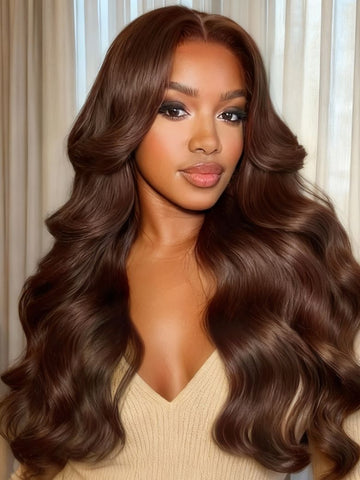
Warm Skin Tones: Chocolate Brown; Mocha Brown; Warm Coffee Brown. Cool Skin Tones: Cool-Toned Dark Brown; Espresso Brown; Ash Brown. Dark Skin Tones: Rich bruette can usually create a natural harmony with dark skin tones.


6.Differences in Daily Styling and Care
Choosing Brown or Brunette involves more than just color; maintenance is also important. Differences in Color Fading Brown: Light brown is more noticeable after fading. For example, warm brown may gradually turn orangey. Brunette: Darker shades usually last longer. However, after fading, it may appear reddish-brown or orangey. Brown Hair is suitable for: Beige; White; Light colors; Earth tones. The overall look is softer and more natural. Brunette Hair is suitable for: Black; Jewel colors; High-contrast colors and sophisticated neutral colors. The overall look is more mature and powerful.
7.Who is Brown Suitable For? Who is Brunette Suitable For?
Choose Brown if you like: a soft and natural feel, a warm and approachable style, more distinct color gradation, or if it's your first time trying hair coloring. Brown is a great starting point for changing your hair color.
Choose Brunette if you like: a deep and sophisticated look, more defined facial features, rich and intense color, and a classic and elegant style. Brunette is more suitable for those who prefer a mature and sophisticated look.
8. Conclusion
Brown and bruette are not the same color. If you want a natural, soft, and versatile look, choose Brown. If you want a deep, elegant, and sophisticated look, choose Brunette.
The best hair color for you isn't necessarily the most popular one, but rather the one that harmonizes with your: skin tone; daily life; clothing style; and the personal image you want to project.





